Co-Cultured Cardiomyocytes-on-Chip

Overview

The CoCo Chip is a patented heart muscle-on-chip platform that allows researchers to non-invasively track and measure heart muscle cell contractility. The technology features a piezoelectric sensing mechanism that converts the mechanical energy of beating heart cells into electrical signals, providing quantitative measurements of contractile force. This innovative platform incorporates a piezoelectric-polydimethylsiloxane (PE-PDMS) material as a base layer on which cardiac cells are cultured. When the heart cells contract, they cause micro-cantilevers to move, generating measurable electrical signals through the PE-PDMS. This allows researchers to monitor heart muscle function without invasive procedures or complex imaging setups. The CoCo Chip is designed to create a more physiologically relevant environment for studying heart tissue compared to traditional cell culture methods. It enables researchers to screen drugs, evaluate cardiac treatments, study disease progression, and potentially develop personalized treatment strategies for various heart conditions across diverse genetic backgrounds.
Key Benefits

Non-Invasive Contractility Measurement
Tracks heart cell function without disrupting the culture.

Real-Time Data Collection
Provides continuous monitoring of beating force and rhythm.

Drug Screening & Cardiotoxicity Testing
Detects changes in contractility in response to pharmaceuticals.
Model Overview
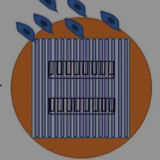
CoCo Chip is a microengineered heart muscle-on-chip platform designed to measure cardiac contractility through an integrated piezoelectric sensing system. The device is built on a piezoelectric-PDMS (PE-PDMS) substrate with micro-cantilever structures that convert the mechanical motion of beating cells into measurable electrical signals. The platform supports 8 simultaneous samples, with each column functioning as an independent test. Within each sample, there are two distinct culture regions: a larger chamber for cardiomyocytes (or myocytes) and a smaller adjacent chamber for co-culture cells, such as endothelial cells or fibroblasts. These regions are connected by a central microchannel, allowing shared media and biochemical signaling between cell populations while maintaining physical separation. This design enables physiologically relevant cell-cell interactions without interfering with measurement accuracy. Importantly, only the cardiomyocytes are cultured directly on the sensing surface, ensuring that contractility data is collected specifically from the beating muscle cells. This prevents signal dilution from non-contractile cells and allows for precise, real-time measurement of cardiac function across multiple parallel samples.

Validation
CoCo Chip validation demonstrates that cardiomyocytes cultured on the platform exhibit consistent spontaneous beating and functional maturation, indicating a physiologically relevant environment.Fluorescent staining confirms the presence of organized sarcomeric structures (F-actin and α-actinin), which are hallmarks of functional cardiac muscle.Importantly, the platform provides quantitative contractility data that aligns with known physiological patterns, and comparisons with traditional methods show strong agreement in measuring beating frequency and force.Additionally, studies show enhanced synchronization of cardiomyocyte contractions compared to standard culture systems, further validating the platform’s ability to replicate coordinated heart tissue behavior.


Publications


Our Partners